Monday, 20 May 2013

The Rebirth of Marquetry and Inlay


There are many ways in which vintage styles continue to influence modern interiors and objects. In recent months, however, a new trend has started to sweep across the design world; the rise of traditional craft in design has led to re-emergence of several design techniques that had, until now, remained forgotten. Defined as the art and craft of applying bits of veneer to a surface in order to create various patterns, marquetry was popular in the Victorian times. Inlay followed on from this, and involved a more detailed approach to patterning, through cutting shapes and areas from the surface of a material to reveal sections of another underlying material.

Both techniques fell into the design abyss come the twentieth century; seen as outdated and unfashionable, the crafts were overtaken by more minimalistic interior styles. However, these once cast-away production techniques are now reappearing; through slicing and embedding, and creating kaleidoscopic patterns, designers are creating exciting new designs through updated methods of inlay and marquetry.

Traditional symbols of opulence

Marquetry and inlay have always been highly skilled practices and, as such, good quality antiques have been hard to come by. Traditionally, marquetry furniture was a symbol of opulence, as only the wealthy could afford to buy it. In today’s world, traditional marquetry and inlay objects still fetch extremely high prices due to their rarity. For those keen to get their hands on a genuine antique, the likelihood is that they would need to take out a loan in order to afford themselves a good quality piece of vintage marquetry as, in their heyday, marquetry pieces were made with their target wealthy audience in mind; designs were often highly elaborate and acutely artistic and required a huge amount of production time, hence their high prices. These days, however, designers have introduced computer numerically controlled (CNC) milling technology, which allows faster and easier production, as well as a whole new array of bold colours, materials and digitally-inspired patterns and geometrics. Purchasing a piece of marquetry or inlay furniture in the modern world is much more achievable due to their more affordable prices. Furthermore, there are a whole host of designers that are playing privy to this new trend, each of them eager to put their own stamp on the revival of the production technique.

Marquetry coffee tables by Patricia Urquiola
Uriquiola's Fishbone Tables for Moroso


Spanish designer, Patricia Urquiola, has designed a range of beautiful coffee tables using the art of marquetry. Urquiola’s Fishbone Table, designed to accompany her M.a.s.s.a.s. range for Moroso clearly contains elements of the bold interior design of the 1960s, but adds a modern twist. Her signature style contains a decorative herringbone motif, which consists of a range of unique finishes and patterns. She uses a new acrylic material that is designed to look like natural substances such as marble, horn and tortoiseshell. To contrast this, she layers these with solid blocks of bright colours to provide a truly contemporary take on inlay. These exquisite coffee tables are available at a comparatively reasonable price compared to their antique counterparts.

Front cupboards

Swedish design studio, Front, provides another interesting modern interpretation of inlay. The designers use many different colours of natural wood to make a series of cupboards and chest of drawer units. These doors are covered in a concoction of geometric shapes; squares and rectangles are layered on top of the original surface to create a 3D pattern effect. Sharp corners, straight lines and harsh edges give Front’s pieces a bold and distinctive finish, bringing the inlay technique out of the past and into the present.

Bethan Laura Wood furniture


London-based designer, Bethan Laura Wood, uses inlay and marquetry to express the inspiration that she draws from the solar system, the moon and volcanoes. The collection, which consists of coffee tables and cabinets, was created especially for the Nilufar Gallery in Milan. Wood hand crafts each piece, using layers of laminate. Although she likes to use some hand-crafted traditional means of production, Wood says that she combines this with cutting-edge new techniques in order to achieve her highly individual designs. Modern technology processes such as laser cutting and laminating make something new out of an old fashioned style.


The beautiful coffee tables and cabinets by these cutting-edge designers are proof that marquetry and inlay are no longer outdated. The production methods are once again creeping onto the design scene; but this time they have been positively revamped, proving that they can produce chic and contemporary masterpieces that are truly suited to twenty-first century living.

Caslon & Co: traditional tools, contemporary prints


Passionate about pattern is by far the most apt way to describe the homeware label Caslon & Co.

Founder Andy Rouse lovingly hand-crafts original prints in his Birmingham studio using antique letterpress blocks known as ‘ornaments’ and ‘fleurons’- once used by printers to decorate posters and books. 

After Andy has perfected his motifs, a highly-skilled team of UK-based craftsmen and women transform them into statement soft furnishings and homeware, such as the Vintage Corner Piece Cushion - our much-loved latest arrival here at Roost Living.

Designer Andy Rouse formed Caslon&Co after acquiring a retired printers press at the beginning of 2012, and their vintage inspired patterns are created using antique wooden printing blocks known as ornaments and fleurons. Printers traditionally used the beautiful little blocks to add decorative flare to books and posters, you will have seen them in use on vintage circus posters, before they fell out of fashion and became a thing of the past, which is a bit of a shame if you ask us! Caslon & Co have put their collection to good use (and they’ve got quite a collection) creating patterns for use in the home, and in turn giving a forgotten art a new lease of life.

Andy explains his approach: ‘I work in our studio using traditional relief printing techniques, working in black and white at first, so that I can focus on creating repeating or tessellating patterns from the printing blocks, I only adding colour when I am happy with the pattern. Depending on how many of the blocks we have, I either work on the press, creating a small repeating pattern or printing a single block a number of times before developing a pattern. Some of the blocks can surprise you when you work with them, they can create patterns that you didn’t expect. I think that’s why I love working in the studio, plus I always feel like it’s a day well spent when I return home with printing ink on your hands!

‘Once I’m happy with the patterns I will transfer them to a silk screen so that I can expand them and start to experiment with colours. We’ve developed a colourful but soft monochrome approach for Caslon & Co, the colours a very fresh and although our patterns have a vintage quality the colours bring a very contemporary feel.’

‘I like to select a fabric that adds to the vintage quality, the natural cotton we use for our cushions has a character of its own, it's a lovely textured fabric with visible flecks of fibre.’

The resulting patterns bring character and charm to the home through a collection of cushions featuring their vintage inspired patterns and fresh, contemporary colour palette.


Tuesday, 14 May 2013

Washi Tape: mess-free adhesive that’s fun!

No longer saved for cover-up-while-you-D.I.Y moments, masking tape itself has had a make-over.


We have the Japanese to thank for the brightly-hued ‘Washi Tape’ trend, and in all its prints, stripes and polka dots, it can transform our home décor mess-free in seconds, plus re-imagine the way we hang everything from notes to posters. You (and the kids) can even create your own wall art with the tape itself.

If you haven’t caught on just yet, we’re sure it won’t be long before you develop a mild-addiction for Washi Tape too... pick up a variety of mixed prints here and let the creativity commence!


Thursday, 2 May 2013

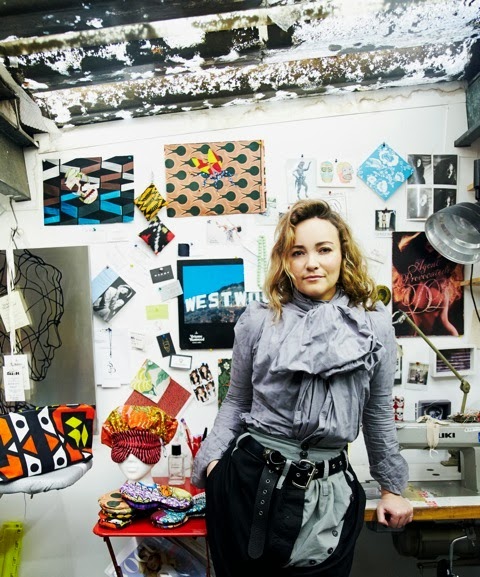
Meet Fanny Shorter

Photo

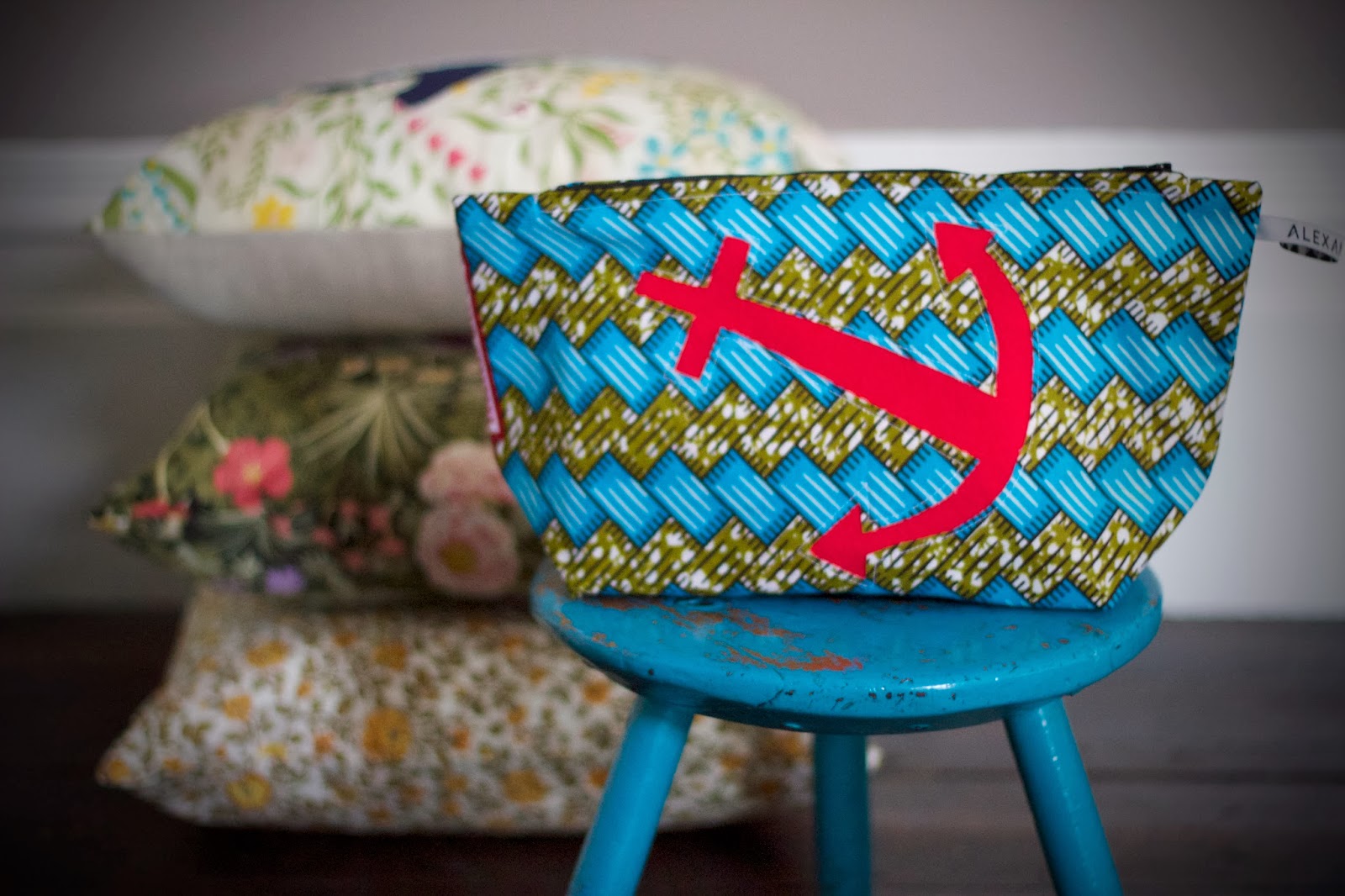
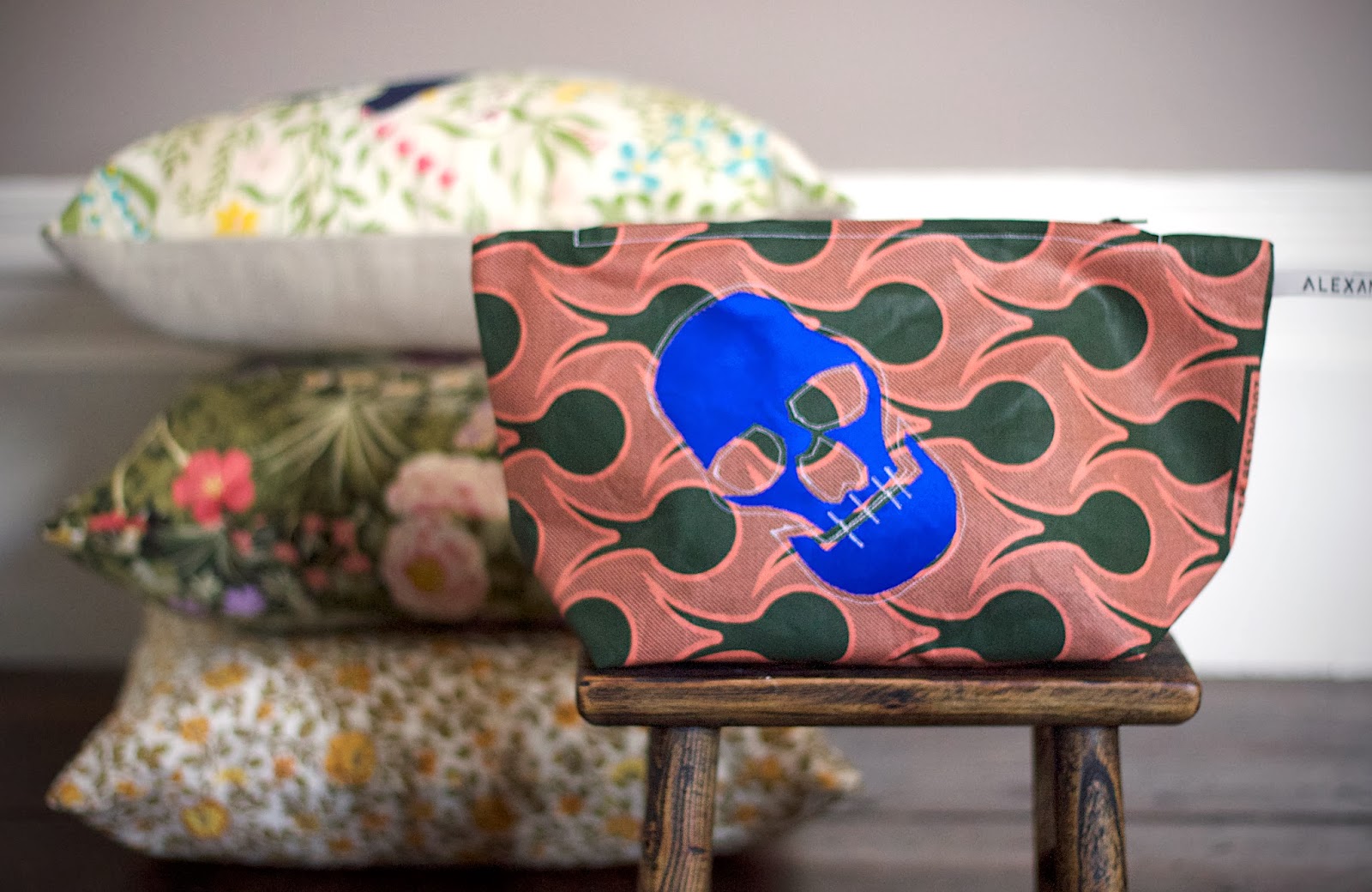
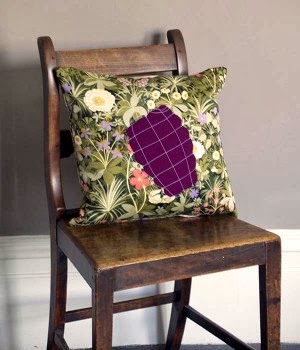
We are ever so excited to introduce you to our latest designer Fanny Shorter.  We love her intricate kaleidascopic designs, inspired by anatomy, yes, you didn’t misread, the human body, and Fanny's latest pouches and notebooks for Roost Living are based on the human brain.


The daughter of a physics teacher and a music teacher, she grew up in a school in Winchester, surrounded by idyllic countryside and historic buildings in an aesthetically crowded house crammed with prints and patterns on books, plates, cushions, rugs and wallpaper. English holidays, frequents visits to the V&A, the Natural History Museum and National Trust properties as well as an entire childhood in a school are an evident and enduring influence.

She trained as an illustrator and her clients have included Twinings, the Cutty Sark and the Wellcome Collection. She divides her time between her freelance illustration work and expanding her 
screen-printed product range at her studio in Bloomsbury, London.

How long have you been designing?

Full time 2 years. Sporadically for 7.

Did you go to art college or are you self taught?

I have a degree in Illustration.

What are your main creative influences?


The study and record of natural science, William Morris, turn of the century illustration.

Where do you find inspiration for your work?

Outside, The V&A, Natural History Museum, Grey’s Anatomy, National Trust houses, terrible confession but Dorling Kindersley has proved invaluable.

Who is your favourite designer?  What aspect of their work do you most admire?

Timorous Beasties. Hand-crafted and highly original.

What aspect of your work gives you the most pleasure?


Screen-printing. It’s great being technically practical for a change rather than moody and creative.

Where are you most creative?

No recipe for that yet. It’s still very unpredictable. Long train journeys?

What is your workspace/studio like? 

Civil war. The photo provided is not a particularly accurate representation.          

How do you describe your style?


Traditional with a contemporary quirk.

What are you currently working on?

I’m working on a collaboration with a company called Mr Jones Watches designing the illustrated interior for a range of limited edition watches. I’ve also got a pop up shop coming in the summer.

When you first started out, what was the best advice you received?

Work hard and be nice to people.

What advice do you have for other designers starting out?


In reference to being self-employed you have to really love your practice. As soon as you leave college or university no one is going to tell you what to do and you are answerable to no one. You have to want to succeed so if you don’t really love it, don’t do it.

How do you achieve a work/life balance?
I don’t have a life! The two just seem to blend into one another. Friends come and sit in the studio and I take my work home every night but I wouldn’t have it any other way.

What are your other passions?

Walking, Scandiwegian crime drama, 80’s rock. Dipping a suspicious toe into opera (my sister is a singer). And it’s dormant at the moment but I love a spot of DIY. There’s nothing to beat the smell of sawdust and paint.

What is your favourite food?


A well baked potato. A Kestrel specifically.

Trousers or skirts?

Skirts. I just don’t ever wear them


A selection of Fanny Shorter's pouches and notebooks are now available online.

Monday, 29 April 2013

Children's party ideas


 Décor 
Blow balloons up in various sizes and tape them to the wall (use masking tape so not to leave marks). A complementary colour palette makes for an eye-catching display, too. We love the idea of swapping bunting for ribbon streamers - group strands together into a bunches then slip each bunch over a length of string before fixing them in place.


Snacks 
Tasty macaroons in sugary hues complement the requisite jelly and ice cream perfectly. Try squeezing a straw into them to serve with quirk.


Entertainment
Swap board games for mini canvases and paint palettes to bring out little one's artistic sides. They can take their masterpieces home, too.


Goody bags
A party isn't complete without a take-home treat -  tie left-over balloons to bags or boxes to ensure guests leave with a smile!


Monday, 22 April 2013

Capturing Clouds

Up above us drift masterpieces to marvel over - wisps of candy floss-like puffs that are actually thousands of tiny droplets of water. 

Clouds have long been studied - there's even an official society dedicated to their appreciation. However, Dutch artist Berndnaut Smilde brings fresh perspective to these floating anoamlies; by removing them from their natural environment and confining them within a series of unlikely places.

To see more of his awe-inspiring captured clouds, take a peek at the prints he's created over the last three years, right here.


Thursday, 18 April 2013

The Secret Society - Sculptural Banquet by Kathy Dalwood

Kathy Dalwood's sculptures are reminiscent of a bygone era, mixed in with a bit of fantasy and with a dash of surrealism.  And in her latest exhibition, The Soane Suite at Pulzhanger Manor in Ealing is being transformed into a most unusual banquet - a banquet made entirely out of plaster.  
Here's a bit more about the Kathy Dalwood's upcoming exhibition:

The Gold Digger and Mme Maigret, Kathy Dalwood

This curious group is wearing extraordinary costumes that range from the stylish to the surreal, adorned with outrageous hats and unexpected accessories or unusual collars and cloaks. Their lavish dinner party has everything one could wish for – bowls of exotic fruit, magnificent multi-tiered cakes, decanters of wine and candelabra – only as with the guests all is immortalised in bright white plaster.
The Secret Society is the first solo exhibition of acclaimed London-based artist and designer Kathy Dalwood, and is the first time that her celebrated Plaster Bust collection has been shown in its entirety.

Following Sir John Soane's own liking for staging 'Gothic Banquets', Dalwood’s sculptural portrait busts reference sources ranging from Miss Havisham’s house to the Mad Hatter’s tea party, Marie Antoinette’s infamous soirées to classical bacchanalia, masked balls and Venetian carnivals. The mysterious associations are not stuck in the distant past however and also display the influence of the modernist avant garde and the world of extreme sculptural fashion.

Casting directly from real objects as diverse as model buildings, haberdashery and electrical components, these eclectic materials are sourced from  flea markets, model shops, fabric shops, hardware stores, charity shops and tourist souvenir stalls. Inventively combining and adapting these resources, Dalwood creates costumes, accessories, hairstyles and headgear that bring the tradition of the plaster bust into the 21st Century.

Speaking about the exhibition, Dalwood comments: “Pitzhanger Manor was designed for busts! There are niches, plinths and mantelpieces everywhere. But given that I perceive the busts as a group of strange, detached characters occupying their own world, I thought it would be interesting to stage an event for them, so I’m creating a bizarre banquet. […] I hope that visitors will be seduced by the expressive beauty of plaster as a material and that perhaps the busts will steer people’s interest towards figurative sculpture in general, of which there are so many – at times overlooked – diverse and captivating examples in the cities, parks, palaces, cathedrals and museums of the world.”

The Secret Society is curated by PM Gallery & House in association with Matt Price. The installation has been styled in collaboration with Karina Garrick. To celebrate the exhibition, a new plaster bust has been created,  inspired by the architecture of Sir John Soane and will be for sale along with other pieces from the collection.

From 19 April - 9 June
Pitzhanger Manor & PM Gallery
Walpole Park
Mattock Lane
Ealing
London W5 SEQ

www.kathydalwood.com